
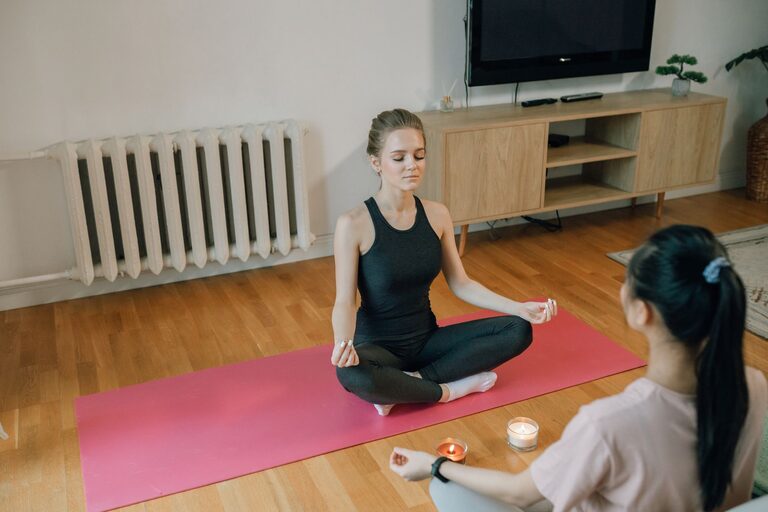
Taking mindful breathing breaks is a simple yet powerful way to refresh your mind and body during a busy day. For beginners, these breaks can help reduce stress, improve focus, and increase overall well-being. This post offers practical tips on how to establish mindful breathing practices easily and enjoy their benefits, even if you’re new to the concept.
What is Mindful Breathing?
Mindful breathing means paying full attention to your breath—how it feels as it enters and leaves your body. It encourages slowing down and being present in the moment, which can calm your nervous system and reduce feelings of anxiety. Unlike deep breathing exercises that often focus on taking very deep breaths, mindful breathing is simply about observing your natural breath rhythm without judgment.
Why Take Mindful Breathing Breaks?
Modern life can be fast-paced and stressful. Taking intentional breaks for mindful breathing helps:
– Lower stress hormones
– Improve concentration
– Regulate emotions
– Enhance mental clarity
– Promote relaxation
Even short breaks of just a few minutes can make a big difference in how you feel.
How to Start Mindful Breathing Breaks: A Beginner’s Guide
1. Find a Comfortable Space
You don’t need a special place to practice mindful breathing, but a quiet, comfortable spot can help you focus better. Sit or lie down comfortably, keeping your back straight but relaxed.
2. Set a Timer
Start with 2 to 5 minutes. Setting a timer allows you to relax without worrying about the time. As you get more comfortable, you can increase the duration.
3. Focus on Your Breath
Close your eyes if it feels comfortable. Notice the sensation of air moving in through your nose, filling your lungs, and then leaving your body. Don’t try to control or change your breath; just observe it.
4. Use a Simple Counting Technique
If your mind wanders, gently bring your focus back by counting each breath cycle. For example, inhale (count 1), exhale (count 2), and continue until you reach 10. Then start again from 1.
5. Notice Your Body
Along with your breath, you can notice any areas of tension or relaxation in your body. This awareness helps deepen the calming effect.
Tips for Making Mindful Breathing Breaks a Habit
Schedule Breaks Into Your Day
Set reminders on your phone or computer to pause for mindful breathing. Consistency helps make it a natural part of your routine.
Combine Breathing Breaks with Daily Activities
Practice mindful breaths while waiting in line, during a commute, or before meals. You don’t always need to sit down to benefit.
Avoid Judgment
It’s normal for your mind to wander. Instead of criticizing yourself, gently return your focus to your breath.
Try Guided Breathing Apps or Videos
Apps like Calm or Headspace offer beginner-friendly guided breathing exercises that can support your practice.
Common Challenges and How to Overcome Them
Difficulty Focusing
If you find it hard to concentrate, try focusing on the physical sensations of breathing—like the rise and fall of your chest or belly.
Feeling Restless
It’s okay to feel restless at first. Start with shorter breaks and gradually increase the length as you become more comfortable.
Forgetting to Take Breaks
Link mindful breathing with regular activities, such as after checking emails or before meals, so it becomes a natural pause.
Benefits You Can Expect Over Time
Practicing mindful breathing regularly can lead to:
– Reduced feelings of stress and anxiety
– Better sleep quality
– Enhanced emotional resilience
– Improved attention and productivity
– A greater sense of calm and well-being
Sample Mindful Breathing Break Routine
- Find a quiet spot and sit comfortably.
- Close your eyes and take 3 slow, deep breaths.
- Shift to natural breathing; observe each inhale and exhale.
- Count your breaths from 1 to 10, then repeat.
- After 5 minutes, gently open your eyes and stretch if needed.
Final Thoughts
Mindful breathing breaks are an accessible, low-cost practice that anyone can start today. By incorporating these small pauses into your daily life, you create moments of calm that help you manage stress and improve your overall well-being. Remember, the key is consistency and kindness toward yourself during the process. Start small, be patient, and enjoy the benefits of mindful breathing.