Starting a small herb garden indoors is a wonderful way to enjoy fresh flavors right at your fingertips, no matter the season. Whether you have limited outdoor space or want a convenient way to enhance your cooking, cultivating herbs inside your home can be simple and rewarding. This guide will walk you through everything you need to know to get your indoor herb garden growing successfully.
Why Grow Herbs Indoors?
Indoor herb gardens bring many benefits:
– Freshness: Pick herbs fresh when you need them.
– Convenience: No need to run to the store for common herbs.
– Year-Round Growth: Control light and temperature for continuous harvest.
– Decoration: Herbs add greenery and life to your kitchen or living space.
Choosing the Right Herbs for Indoor Gardens
Not all herbs thrive equally indoors, so start with varieties that are well-suited for pots and indoor environments:
– Basil: Loves warmth and light; perfect for cooking.
– Mint: Grows quickly but can spread; keep in a separate container.
– Chives: Easy to grow and adds mild onion flavor.
– Parsley: Prefers moderate sunlight and consistent moisture.
– Thyme: Requires good drainage and loves sunlight.
– Oregano: Hardy and drought-tolerant.
– Cilantro: Prefers cooler temperatures and needs ample light.
Choose 3-5 herbs to start with, so you can give each enough space and care.
Essential Supplies for Your Indoor Herb Garden
To set up your garden, gather the following items:
– Containers: Pots with drainage holes, about 4-6 inches deep.
– Potting Soil: Use a light, well-draining potting mix, not garden dirt.
– Seeds or Starter Plants: Purchase from a reliable source.
– Grow Lights (optional): Helpful if natural light is limited.
– Watering Can: A small one with a narrow spout helps control watering.
– Labels: To keep track of your herb varieties.
Selecting the Best Location for Your Garden
Herbs need plenty of light—ideally 6-8 hours of sunlight daily. The best locations include:
– South-facing windows: Receive the most sunlight.
– East or west windows: Still suitable but may require supplemental lighting.
– Under grow lights: If natural light is insufficient, use LED or fluorescent grow lights.
Keep herbs away from drafts, heating vents, or cold windowsills.
Planting Your Herbs
Starting from Seeds
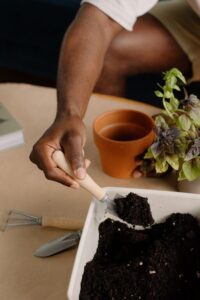
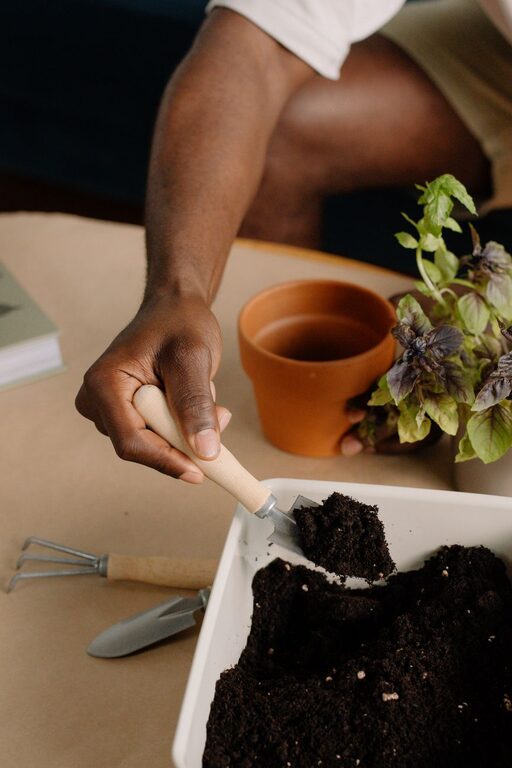
- Fill pots with moistened potting soil.
- Plant seeds according to the packet instructions—usually about twice as deep as the seed size.
- Cover lightly with soil and mist with water.
- Keep soil moist but not soggy.
- Place containers in a warm, sunny spot or under grow lights.
- Germination times vary; be patient.
- Gently remove plants from their nursery pots.
- Loosen roots carefully if root-bound.
- Plant into your pots filled with potting mix.
- Water thoroughly.
- Place in a bright location.
Transplanting Starter Plants
Caring for Your Indoor Herb Garden
Watering
– Water when the top inch of soil feels dry.
– Avoid overwatering; soggy soil can cause root rot.
– Use pots with drainage holes to prevent water buildup.
Feeding
– Fertilize every 4-6 weeks with a balanced, water-soluble fertilizer diluted to half strength.
Pruning and Harvesting
– Regularly pinch back herbs to encourage bushy growth.
– Harvest leaves by snipping stems above leaf nodes.
– Avoid removing more than one-third of the plant at a time.
Monitoring for Pests
– Indoor herbs can attract aphids, spider mites, or fungus gnats.
– Inspect plants weekly.
– Wipe leaves with a damp cloth or use insecticidal soap if needed.
Troubleshooting Common Issues
– Yellowing leaves: Usually a sign of overwatering or poor drainage.
– Leggy growth: Indicates insufficient light; move plants closer to a light source.
– Wilting: Could be underwatering or heat stress.
– Slow growth: May benefit from more light or feeding.
Expanding Your Garden and Tips for Success
As you get comfortable, consider:
– Adding more herb varieties.
– Using vertical planters or tiered shelves.
– Experimenting with hydroponic systems.
– Keeping a gardening journal to track watering and feeding schedules.
Remember, every home environment is different. Adjust your care routine based on how your plants respond.
—
Starting a small indoor herb garden is a fulfilling project that adds flavor, beauty, and freshness to your home. With a little planning and care, you can enjoy homegrown herbs year-round, right from your windowsill. Happy gardening!